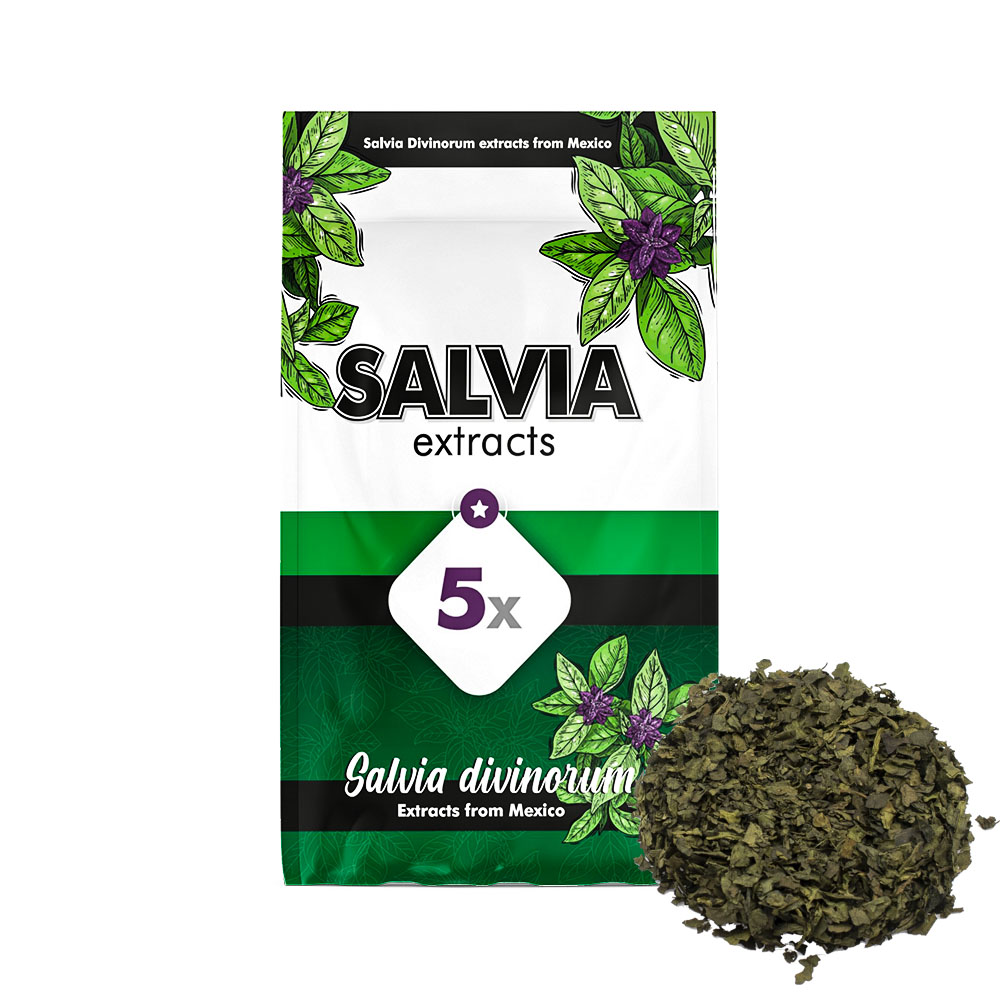
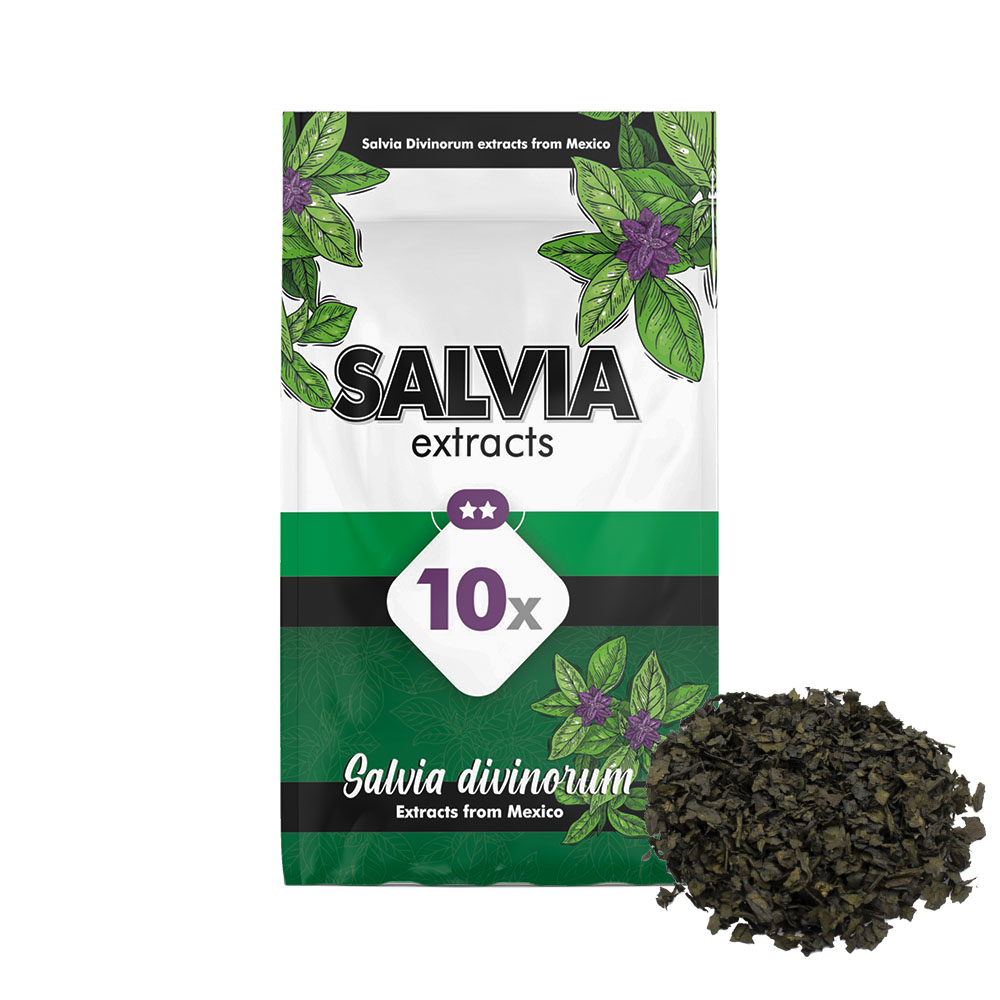
As a visitor to the Netherlands you may buy salvia leaves and extracts and use them there, as long as you are an adult. Salvia is not on the lists of the Dutch Opium Act, so Dutch law does not distinguish between residents and tourists. What changes the picture is the moment you leave: the law of every country you enter applies to what is in your luggage, your car or your post.
Three rules for a stay
- Buy in the Netherlands. Smartshops and Dutch web shops sell salvia legally to adults.
- Use it in the Netherlands. In a private room where you are allowed to, with a sober sitter.
- Leave nothing. Whatever is left at the end of the stay stays behind or is thrown away. It does not go into the suitcase.
The rest of this page explains why.
Buying
Salvia is sold in smartshops in Dutch cities and by Dutch online shops. Shops sell to adults only. Avalon Magic Plants delivers within the Netherlands with PostNL, usually the next working day according to its shipping page, and states that it cannot guarantee orders sent to hotels or hostels. If you order online for a stay, use an address where someone can receive the parcel.
Buy for the stay, and buy small. A gram of extract is many uses; the extract strengths page explains the numbers.
Using
Dutch law does not ban using salvia, but that does not make every place suitable. Many hotels, hostels and holiday rentals do not allow smoking indoors, and a shared room is no place for a substance that can take you out of contact with your surroundings for several minutes. A private room in a rental where you have checked the rules, with a sober friend present, is the realistic setting. Public places are not: parks, streets and the beach are where most avoidable accidents happen.
Two Dutch rules apply to everyone, residents and visitors alike:
- Driving any vehicle, a bicycle included, under the influence of a substance that impairs driving is an offence (Road Traffic Act, art. 8).
- Shops sell to adults only.
Leaving: why nothing crosses a border
Exporting salvia from the Netherlands is not a Dutch offence. Importing it into a country where it is controlled is an offence in that country, and so is carrying it through one. A few examples from the country explorer:
- Belgium. The plant has been on the Belgian drug list since 2006. Driving home through Belgium with a packet of leaves in the car is possession in Belgium.
- Germany. Salvia divinorum is in Annex I of the Narcotics Act. That covers plants and plant parts, so a single bag of leaves at the border is enough.
- France. The plant and salvinorin A are on liste I of the substances vénéneuses since 2010. Bringing it back is importing and transporting it.
- United Kingdom. Importing a psychoactive substance is an offence under the Psychoactive Substances Act 2016, even though simple possession is not.
Inside the Schengen area there are often no passport checks, but police and customs can and do check travellers, cars and coaches near borders and at airports. The absence of a checkpoint is not permission.
Ordering from home
Ordering salvia to an address in a country where it is controlled counts as importing it, whoever ships it. Avalon Magic Plants says on its shipping page that customers are responsible for checking their local law and that parcels stopped by customs are not refunded. This site presents its products only for use in the Netherlands.
If the law changes during your stay
In 2022 the Dutch public health institute RIVM advised the health minister to consider restricting or banning the sale of salvia. As of 11 October 2026 no decision has been published. If it is ever added to the Opium Act, that would apply from the date the change takes effect. The Netherlands page follows the details.