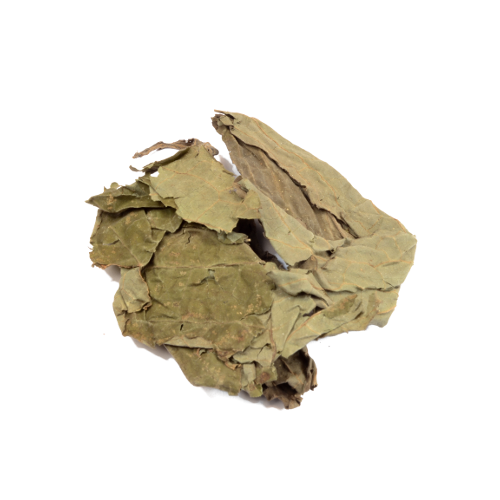
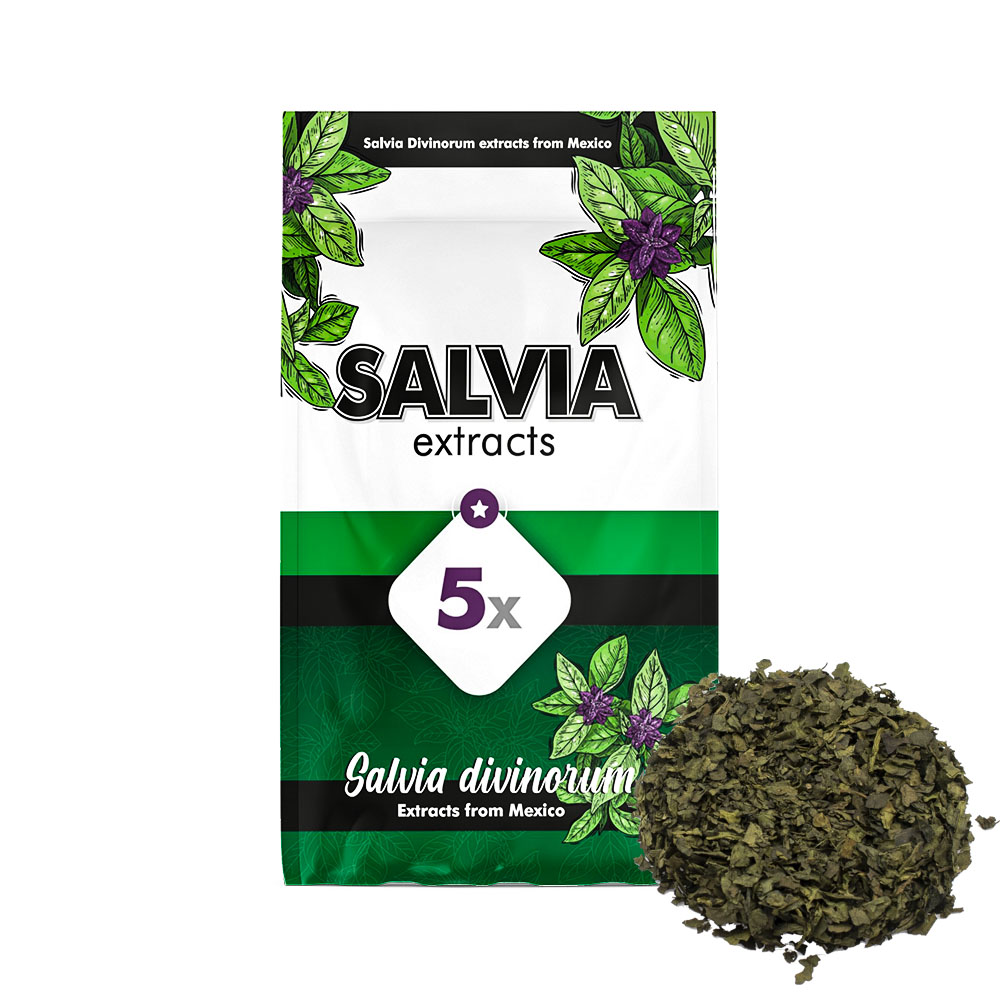
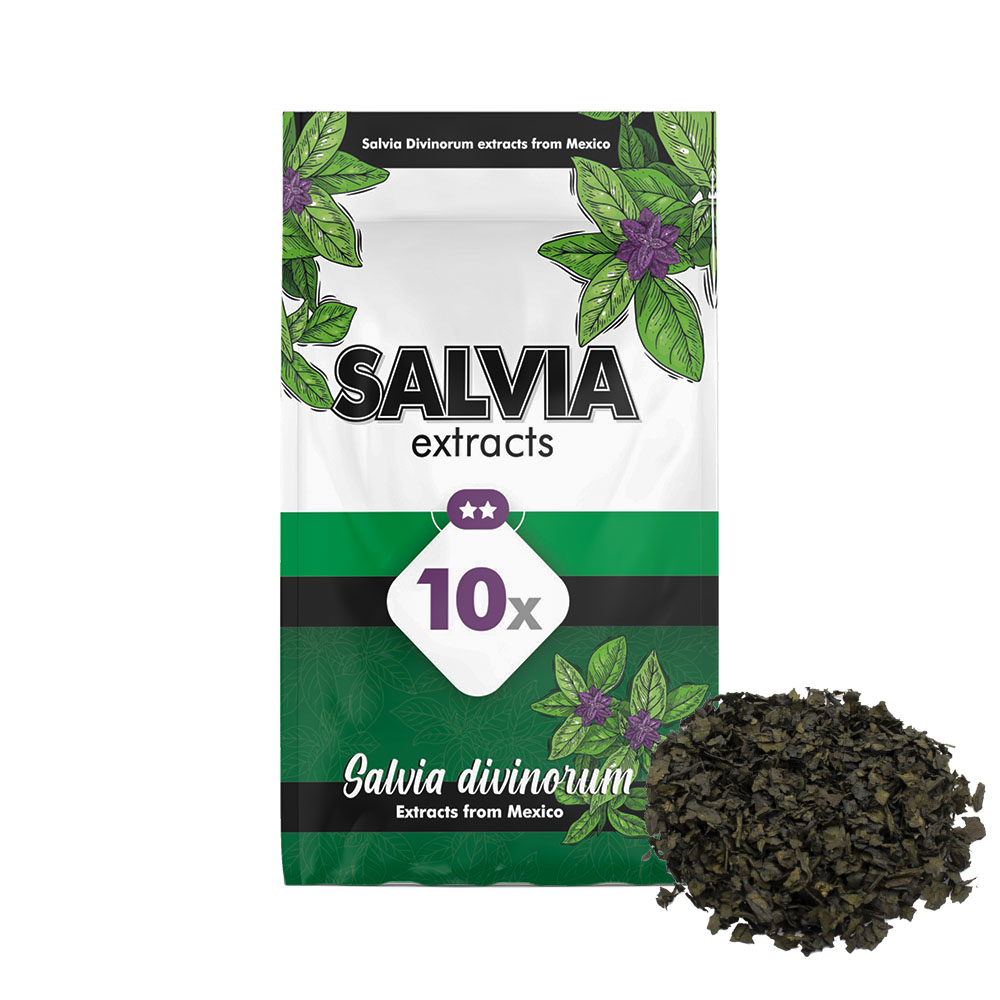
Salvia divinorum is legal in the Netherlands. Neither the plant nor its active compound, salvinorin A, appears on any of the lists of the Opium Act, the Dutch drug law, in the version in force since 17 September 2026 (wetten.overheid.nl). That means buying, owning and using it are not offences, and smartshops may sell leaves and extracts to adults. The Netherlands is one of the few countries in Western Europe where that is the case.
What the Opium Act does and does not cover
The Opium Act works with lists. List I holds substances with an unacceptable risk, such as heroin, cocaine and psilocin. List Ia covers whole groups of synthetic substances defined by their chemical structure, such as derivatives of phenethylamine and synthetic cannabinoids. List II holds cannabis and a range of medicines. A plant or substance that is on none of the lists is not covered by the act. We searched the full consolidated text, all lists included, for "salvia" and "salvinorine". Neither word appears. Salvinorin A, a diterpene, also falls outside the chemical groups of list Ia.
Products that are not drugs under the Opium Act fall under the general rules for consumer goods, the Commodities Act (Warenwet). The Trimbos Institute says the same about salvia (DRUGSinfo). The Commodities Act contains no rule specific to salvia.
2013: the government decided against a ban
Belgium put salvia on its drug list in 2006. In 2013 Dutch MPs asked whether the Netherlands should follow, and in a written answer the health minister said a ban was not desirable. The ministry judged the risks to public health to be limited, noted that few people used salvia, and pointed out that a ban could push the trade into illegal channels (Tweede Kamer, Aanhangsel 2718, 2012-2013).
2022: the RIVM advised the minister to consider restrictions
On 7 September 2022 the national public health institute RIVM published a risk assessment of herbal products containing salvia. It found that hallucinations, restlessness, confusion, a raised heart rate and blood pressure, and psychosis can occur even at the amounts recommended on the packaging. RIVM advised consumers not to use these products and advised the Ministry of Health to consider restricting or banning their sale (RIVM, 2022). The advice did not name a specific law or list.
What has happened since
As of 11 October 2026 we found no decision by the ministry on that advice. A search of the official government publications database for "salvia divinorum" returned nothing after 2018, and the consolidated Opium Act still contains no reference to the plant. The act's page on wetten.overheid.nl notes that some adopted amendments have no commencement date yet; none of those we could identify concern salvia.
A ban would not need a new law. Article 3a of the Opium Act allows the government to add substances to list I or II by order in council when they affect consciousness and can harm health and society. A change would apply from the date it takes effect. This page and the country explorer show the date of the last check.
What this means in practice
- Shops. Smartshops and Dutch web shops sell salvia leaves and extracts openly, to adults only.
- Use. Using salvia is not an offence. The Road Traffic Act still applies: driving any vehicle, a bicycle included, under the influence of a substance that impairs driving is an offence (Road Traffic Act, art. 8).
- Information and help. The Trimbos Institute publishes Dutch-language advice on salvia (DRUGSinfo) and runs the Drugs Infolijn on 0900 1995.
- Leaving the country. Dutch law does not stop you from taking salvia across the border. The law of the country you enter does. In Belgium and Germany, the two land neighbours, the plant is a controlled drug. See visiting the Netherlands.
How the Netherlands compares
Of the countries we checked, most in Western and Northern Europe have put the plant or salvinorin A on a narcotics or poison list. Austria, the United Kingdom, Spain and Portugal took a different route and banned its sale or supply without making possession a crime. The how the rules differ page explains these models side by side.
Salvia from a Dutch shop, used in the Netherlands, is within the law.