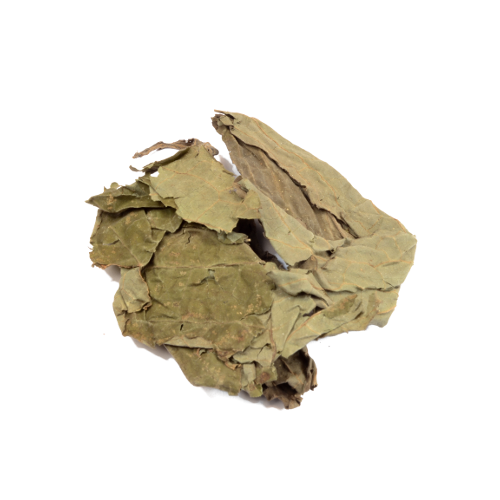
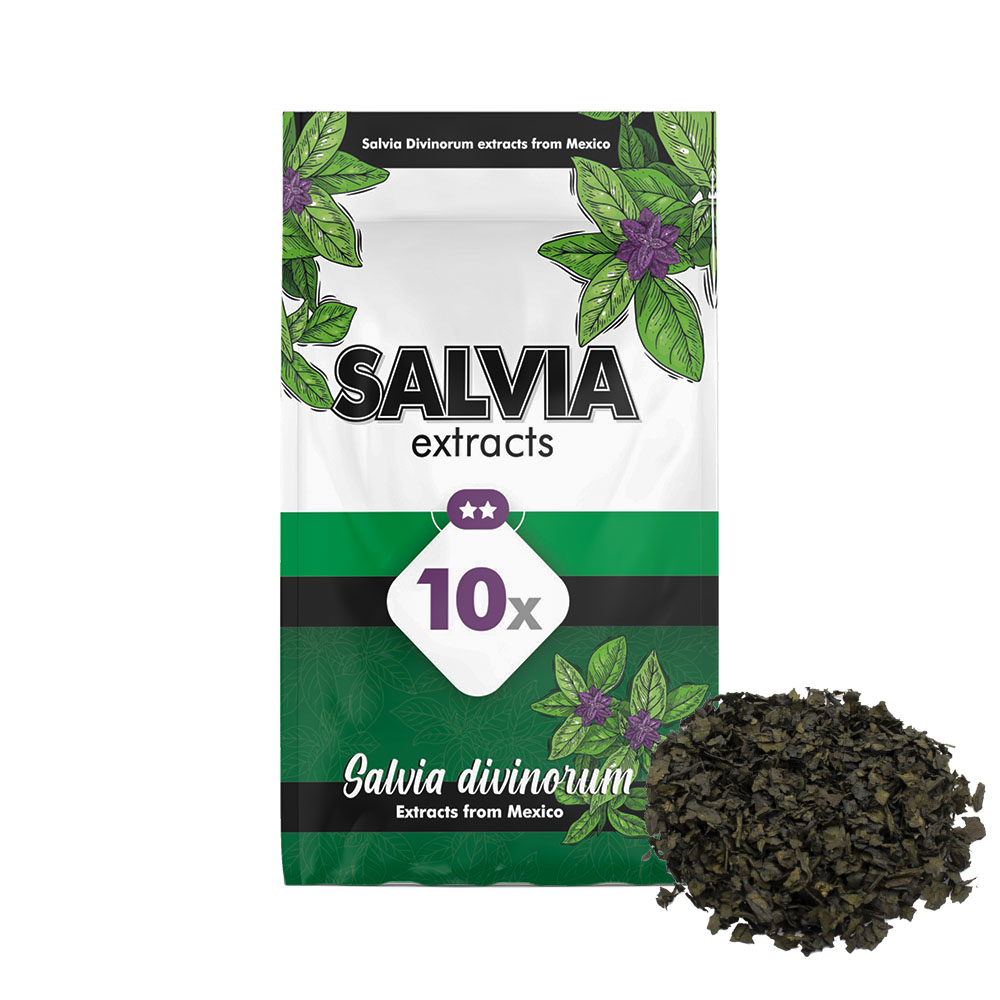
European countries regulate salvia in four different ways, and the differences decide what is an offence. In some countries the plant is a narcotic and possession is a crime. In others only selling it is banned. Some list the plant, some only salvinorin A, and a few have no rule at all. There is no common EU rule: neither the plant nor salvinorin A is in the annex of the EU framework decision that defines which drugs member states must criminalise (Framework Decision 2004/757/JHA). Each country decides for itself.
Model 1: not controlled
In the Netherlands salvia appears on none of the lists of the Opium Act, so buying, owning and using it are not offences. It falls under the general rules for consumer products. In Finland, Malta and Slovenia we searched the narcotics lists and found no entry, but we could not confirm in a primary source that no other rule applies, so they are marked "not verified" in the explorer. The Netherlands is the only country in this overview where we could confirm the plant is legal to sell. The Netherlands page explains the details.
Model 2: on the narcotics list
Most countries in the overview classify salvia as a controlled drug, under the same law as cannabis or LSD. Possession, purchase, import and sale are offences. The details differ:
- Germany lists the plant and its parts in Annex I of the Narcotics Act (BtMG) since 1 March 2008. Salvinorin A is not listed separately.
- Switzerland has listed the plant as a prohibited narcotic since 1 May 2010 and added salvinorin A on 1 October 2014. Liechtenstein uses the same list.
- Belgium listed salvinorin A in 2004 and the plant in 2006. Since 1 June 2024 the text covers all parts of the plant.
- Italy put both the plant and salvinorin A in Table I of its drug law in March 2005.
- Ireland controls salvinorin A and any plant material containing it since 1 November 2011.
- Denmark has listed both since August 2003, Latvia since May 2009, Lithuania since May 2008 and Iceland since September 2018. Estonia lists both on its narcotics list I.
- Poland (since May 2009), Croatia and Romania (since February 2010) list the plant; Czechia, Slovakia, Hungary and Bulgaria name only salvinorin A.
- Luxembourg added the plant to its list of psychotropic substances in August 2012, which brings it under the general drug law.
The use itself is also an offence in some of these countries: Switzerland and Estonia punish it with a fine, Luxembourg with a fine or a short prison term.
Model 3: on a poison or health hazard list
Some countries reached the same result through a different law.
- France placed the plant and salvinorin A on liste I of the substances vénéneuses (poisonous substances) by an order of 2 August 2010. That is not the list of narcotics, but under the Public Health Code it still makes acquiring, possessing, transporting and importing the plant a criminal offence.
- Sweden lists salvinorin A and all parts of the plant under its law on goods dangerous to health since 1 April 2006. Possession, import and sale without a permit are punishable with a fine or up to a year in prison.
For a traveller the practical effect is the same as model 2: possession is an offence.
Model 4: sale or supply banned, possession not a crime
A smaller group bans the trade without punishing the user for having it.
- United Kingdom. The Psychoactive Substances Act 2016 makes it an offence to produce, supply, import or export any psychoactive substance, salvia included, from 26 May 2016. Possession is not an offence, except in prison. Supply can bring up to seven years (FRANK).
- Spain. Since 6 May 2004 the plant has been on a list of plants whose sale to the public is prohibited because of their toxicity (Orden SCO/190/2004). The order says nothing about possession or use.
- Portugal. Salvia divinorum, salvinorin A and salvinorin B are on the list of new psychoactive substances since 18 April 2013. Producing, importing, selling and possessing them is prohibited, but these are administrative offences with fines, not crimes.
- Austria. Only salvinorin A is listed, under the New Psychoactive Substances Ordinance, since 1 January 2012. Producing, importing or passing it on for gain is a crime; possession and use are not. The law defines its substances as synthetically produced compounds, so whether it covers leaves at all is unclear from the text.
Plant or compound: why the wording matters
Whether a law lists the plant, salvinorin A, or both decides what is covered. Germany names only the plant and plant parts, which reaches leaves and extracts on a leaf base. Austria, Czechia, Slovakia, Hungary and Bulgaria name only salvinorin A. Spain and Croatia name only the plant. Most countries list both. A country that lists the plant also covers living plants and cuttings, which matters for anyone thinking about growing one.
Transit and post
Every country's law applies on its own territory. A legal purchase in the Netherlands does not protect anyone who then drives through Belgium or Germany, and a parcel ordered from a Dutch shop is an import into the country where it is delivered. The visiting the Netherlands page sets out what that means for a trip.
How we built the overview
Each country entry in the explorer is based on the law text itself or a government service, with the date the rule took effect and the date we checked it. Where only secondary sources existed, the country is marked as not verified. This is general information as of 11 October 2026, not legal advice.